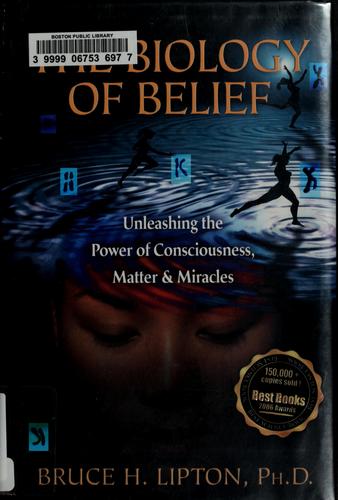
Bruce Lipton, formerly a cell biologist at the University of Wisconsin medical school and a researcher at Stanford in the late 1980s, argues that genes and DNA do not determine biology — instead the cell membrane reads signals from its environment, including "energetic messages" from belief and emotion, which then control gene expression. The book pairs this thesis with autobiographical material about why he left mainstream academia.
Originally self-published through Elite Books in 2005 and re-issued by Hay House from 2008, The Biology of Belief became the signature popular-epigenetics text of the consciousness-publishing wave that included Gregg Braden and Joe Dispenza. The seven chapters move from cell-membrane biology and the New Physics to the title chapter on belief, then to growth-versus-protection mode and conscious parenting. A 10th Anniversary edition (2015) added a chapter on epigenetic findings from the intervening decade.
Contents
Lessons from the Petri Dish: In Praise of Smart Cells and Smart Students
It’s the Environment, Stupid
The Magical Membrane
The New Physics: Planting Both Feet Firmly on Thin Air
Biology of Belief
Growth and Protection
Conscious Parenting: Parents as Genetic Engineers
Reception
The signature text of the popular epigenetics-meets-spirituality genre and a bestseller within consciousness publishing for almost two decades. Lipton’s specific claims about the membrane, methylation patterns and "biology of belief" are well outside mainstream cell biology and have been criticised in detail by working biologists; the broader epigenetics he draws on is real, though the inferences he extracts from it are not what the field actually supports. The book sits at the centre of a durable schism between practitioner-readers who report transformative results and credentialed scientists who view the framing as overreach.
Frequently asked
What is The Biology of Belief about?
Bruce Lipton’s argument that genes and DNA do not determine biology — instead the cell membrane reads signals from its environment, including what he calls "energetic messages" from belief and emotion, which then control gene expression. The book pairs that thesis with his account of why he left academic cell biology.
Is The Biology of Belief mainstream science?
No. Lipton’s specific claims about the membrane and the "biology of belief" sit well outside mainstream cell biology and have been criticised in detail by working biologists. The wider field of epigenetics he draws on is real, but the inferences he extracts from it — that focused belief rewrites gene expression — are not what the field actually supports.
How does this book relate to Joe Dispenza or Gregg Braden?
It is the founding text of the popular epigenetics-meets-spirituality genre that the Dispenza and Braden books extend. Hay House’s catalogue and the workshop circuit have circulated the three authors together since 2008, and they cite one another routinely.