What is Shadow Work?
Shadow work is the Jungian practice of making the unconscious shadow conscious. The shadow, as Carl Jung defined it, is the part of the psyche containing traits, impulses, and memories the ego has rejected or never acknowledged. Shadow work is the deliberate effort to meet that material rather than keep it buried. Jung placed this practice within analytical psychology in the early twentieth century, naming it as the first major task of individuation: his term for the lifelong movement toward psychic wholeness.
Shadow Work vs therapy, ego death, and spiritual bypassing
Shadow work is not the same as therapy, though the two overlap. Therapy addresses the whole psychological situation: symptoms, diagnosis, and the therapeutic relationship. Shadow work is narrower. It concerns the relationship between the ego and the unconscious content it has refused. Ego death is a different move. It names the dissolution of the ego's sense of being a fixed, separate self. Shadow work does not dissolve the ego. It asks the ego to become more honest by owning what it has denied. Spiritual bypassing is close to the opposite: using spiritual practice to avoid uncomfortable psychological material rather than to face it.
The Jungian account
Jung introduced the shadow archetype in the 1910s and developed it in *Modern Man in Search of a Soul* (1933). The shadow carries everything the ego has pushed below awareness. This is not only the impulses morality refuses. It also includes suppressed strengths, unlived potential, and everything a person has been told they should not be. Jung's central claim was that the shadow does not disappear when rejected. It continues to exert pressure through projection. What we cannot acknowledge in ourselves, we attribute to others. The enemy, the stranger, the figure who triggers an outsized reaction: each is likely carrying a projection of the observer's own shadow material. Shadow work is the attempt to withdraw those projections and meet the underlying content in oneself.
Active imagination and dreamwork
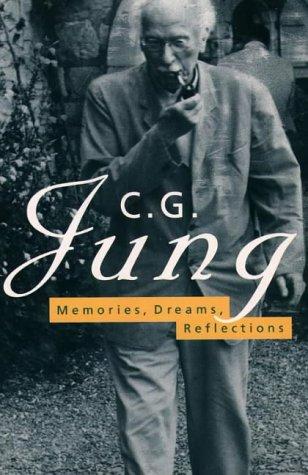
The core method Jung described is active imagination: deliberate, non-directive engagement with unconscious imagery through journalling, dreamwork, or imaginative dialogue. The ego encounters the shadow as a presence to be listened to, not a symptom to be managed. The goal is integration, not elimination. *Memories, Dreams, Reflections* documents Jung's own sustained encounter with shadow material during the 1913 to 1930 crisis recorded in the Red Book. Facing Your Shadow and Andrew Harvey on the Shadow bring the method into a contemporary spiritual-formation register, placing journalling and contemplative inquiry alongside clinical tools.
Where to encounter it in the index
Facing Your Shadow and Andrew Harvey on the Shadow are the two most direct treatments of shadow work as a practice in the index. Carl Jung's theoretical framework is most accessible in *Modern Man in Search of a Soul* and the autobiography *Memories, Dreams, Reflections*. *How to Stop Wasting Your Life — Carl Jung as Therapist* is the Academy of Ideas explainer that places the shadow concept in its clinical and life-development context. Transpersonal psychology locates the Jungian inheritance within a broader framework that includes altered states, spiritual experience, and the further reaches of psychological growth.
What it is not
Shadow work is not a single cathartic session or a weekend retreat technique. It is not a therapeutic diagnosis or a treatment protocol. And it is not a moral programme: the shadow is not the same as sin, and integration is not permission to act on whatever was suppressed. Jung's model holds that the shadow's contents should be known, not necessarily enacted. Some contemporary spiritual communities use the term loosely to mean any difficult inner work. The Jungian tradition is more precise. Shadow work names the specific relationship between the ego and the unconscious material it has refused, and the practice of making that refusal conscious.