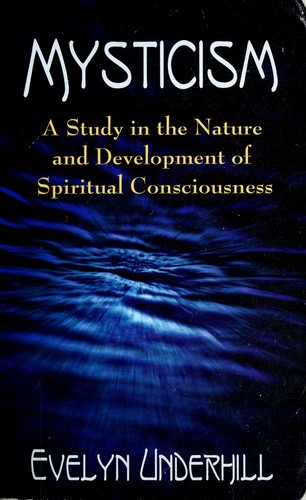
Evelyn Underhill's 1911 systematic survey of the mystical tradition across Christian, Sufi, Hindu and Buddhist sources — organised in two parts: 'The Mystic Fact' (the philosophical and psychological character of mystical experience) and 'The Mystic Way' (the five-stage map of awakening, purgation, illumination, dark night, and unitive life that she synthesised from her sources). Written before Underhill's own conversion to Anglo-Catholicism, the book is panoramic in scope and unusually generous across traditions.
The most widely-read book on mysticism in English in the first half of the 20th century — sales were so substantial that no comparable single-volume study replaced it until Aldous Huxley's The Perennial Philosophy (1945). Underhill's five-stage map shaped the subsequent literature: William James, Rufus Jones, and later Bernard McGinn all worked in dialogue with it. Modern academic mysticism studies (notably Steven Katz's constructivist critique) have argued that Underhill's universalism overstates the unity across traditions, but her primary-source coverage and editorial judgement have aged remarkably well, and the book is still recommended as the literary entry point to the field.
You can only behold that which you are. Only the Real can know Reality.
Part One: The Mystic Fact
First lines
The most highly developed branches of the human family have in common one peculiar characteristic. They tend to produce—sporadically it is true, and often in the teeth of adverse external circumstances—a curious and definite type of personality; a type which refuses to be satisfied with that which other men call experience, and is inclined, in the words of its enemies, to "deny the world in order that it may find reality."
Contents
Part One — The Mystic Fact
I. The Point of Departure
II. Mysticism and Vitalism
III. Mysticism and Psychology
IV. The Characteristics of Mysticism
V. Mysticism and Theology
VI. Mysticism and Symbolism
VII. Mysticism and Magic
Part Two — The Mystic Way
I. Introductory
II. The Awakening of the Self
III. The Purification of the Self
IV. The Illumination of the Self
V. Voices and Visions
VI. Introversion: Recollection and Quiet
VII. Introversion: Contemplation
VIII. Ecstasy and Rapture
IX. The Dark Night of the Soul
X. The Unitive Life
Reception
The most widely-read book on mysticism in English in the first half of the 20th century — sales were so substantial that no comparable single-volume study replaced it until Aldous Huxley's The Perennial Philosophy (1945). Underhill's five-stage map shaped the subsequent literature: William James, Rufus Jones, and later Bernard McGinn all worked in dialogue with it. Modern academic mysticism studies (notably Steven Katz's constructivist critique) have argued that Underhill's universalism overstates the unity across traditions, but her primary-source coverage and editorial judgement have aged remarkably well, and the book is still recommended as the literary entry point to the field.
Frequently asked
What is Evelyn Underhill's Mysticism about?
It is a systematic survey of the mystical tradition across Christian, Sufi, Hindu and Buddhist sources, structured in two parts: 'The Mystic Fact' examines the philosophical and psychological character of mystical experience, while 'The Mystic Way' maps the five-stage arc of awakening, purgation, illumination, the dark night of the soul, and unitive life.
What are the five stages of the Mystic Way according to Underhill?
Underhill synthesises the accounts of mystics across traditions into five stages: Awakening (a first glimpse of transcendent reality), Purgation (self-discipline and the stripping of ego attachments), Illumination (heightened perception and joy), the Dark Night of the Soul (a passage of desolation and self-annihilation), and the Unitive Life (sustained conscious union with God or ultimate reality).
Why is Mysticism still read today?
Despite the constructivist critique — which holds that Underhill overstates the unity of experience across traditions — no comparable single-volume survey of equivalent range and primary-source depth appeared until the late twentieth century. The book remains the standard literary entry point to the field and is cited by practitioners and scholars alike.