What is Contemplative Prayer?
Contemplative prayer is the silent, receptive strand of Christian prayer. The practitioner does not speak to God or ask for things. Instead, attention rests in God's presence without words, agenda, or analysis. The lineage runs from the hesychasm of the third-century Desert Fathers through Benedictine lectio divina, the apophatic theology of Meister Eckhart, and the centering prayer taught by Thomas Keating in the twentieth century.
Vs petitionary prayer, liturgy, and meditation
Three close cousins are worth distinguishing. Petitionary prayer asks God for things. Liturgical prayer is communal worship structured around set texts. Contemplative prayer does neither. Its closest neighbour is meditation, and structurally the two are almost identical. Both rest attention in a chosen object and return to it when thought arises. The difference is theological, not mechanical. The contemplative claim is that what is encountered in the silence is a personal God, not an impersonal ground.
The desert
The tradition begins with the third- and fourth-century Desert Fathers in Egypt and Syria. These were monks who left the cities after Constantine's conversion to find silence in the desert and, in the silence, God. The Apophthegmata Patrum, the Sayings of the Desert Fathers, record their methods. Hesychia is stillness or quietude. Nepsis is the sobriety of attention. The Jesus Prayer, Lord Jesus Christ, Son of God, have mercy on me, a sinner, is repeated until it descends from the lips to the heart. Their goal was theosis, deification, the union of the human person with the divine. These are the oldest Christian contemplative instructions and the direct ancestors of Eastern Orthodox hesychast practice today.
Lectio divina and centering prayer
Lectio divina, sacred reading, is the Benedictine method. Read a passage of scripture slowly. Let a word or phrase arrest the attention. Rest in it without analysis. Let thought drop. What began as a monastic practice was adapted for lay use. Thomas Keating, a Cistercian monk, developed centering prayer in the 1970s as a simplified version. Choose a sacred word, return to it when thought arises, hold everything else lightly. Keating openly acknowledged the structural parallel to Transcendental Meditation and to Zen. His theological frame is Christian, but the basic mechanism, the return of attention to a chosen object, is identical to what meditation traditions have always taught.
Where it meets other traditions
The Desert Fathers' hesychia is structurally what the Buddhist calls śamatha. The apophatic theology of Meister Eckhart, in which God is not this, God is not that, the Godhead beyond God, is the Christian vocabulary for what non-duality maps in Sanskrit. Thomas Merton's correspondence with Thich Nhat Hanh, D.T. Suzuki and the Dalai Lama is the twentieth century's clearest example of these traditions recognising one another across their vocabularies. A Trappist monk in active dialogue with the century's most significant Buddhist teachers. The mysticism entry maps the broader convergence.
In the index
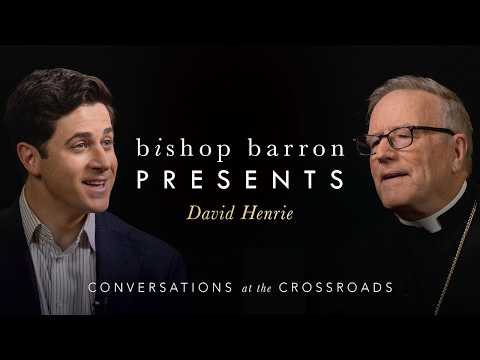
Jonathan Pageau is the index's primary voice for the symbolic and cosmological tradition that feeds contemplative Christian practice. The world as a layered system of meanings, in which the outer form participates in the inner reality. David Henrie on faith and film is the contemplative impulse in artistic practice: making as a form of attention. Both are entry points into the Christianity entry, which situates the contemplative current within the broader tradition.