What is Nephilim?
The Nephilim are figures named in Genesis 6:1–4, described as the offspring of the sons of God and the daughters of men. The Hebrew root nfl means to fall, giving the most natural reading as the fallen ones. The Septuagint, the third-century BCE Greek translation, rendered the word as γίγαντες, giants, and the Vulgate and King James Version carried that gloss forward. In the paleocontact tradition, especially the work of Zecharia Sitchin and Paul Wallis, they are read as the hybrid offspring of Anunnaki beings and early humans.
Nephilim, Watchers, and Anunnaki
Three figures are often conflated in paleocontact writing. The Watchers, as the Book of Enoch names the sons of God, are the beings who descended and took human wives. The Nephilim are their offspring, not the Watchers themselves. The Anunnaki are a separate category: figures from Sumerian and Akkadian texts that Zecharia Sitchin equated with the biblical sons of God, reading the Nephilim as the hybrid product of that union. In the Genesis text itself, neither the Watchers nor the Anunnaki appear by name. What Genesis 6 records is the offspring and the plain fact that something unusual resulted. The giants gloss is the Septuagint translator's interpretation, not a statement in the Hebrew text, and careful readers in the paleocontact tradition, Paul Wallis among them, are explicit about this.
The Hebrew text and its readings
The passage is Genesis 6:1–4: four short Hebrew verses immediately before the Flood narrative. The sons of God (bene ha-elohim) see that the daughters of men are fair, take wives of those they choose, and produce children. The same verses say that the Nephilim were on the earth in those days, and also after that, when these unions occurred. The Hebrew root nfl means to fall. The most natural reading is the fallen ones, or taken transitively, those who cause to fall. The Septuagint settles on γίγαντες, giants, and the Vulgate and the King James Version both carry that gloss forward. Whether the Hebrew means giant in a strict physical sense, or imposing figure, or simply one of unusual stature, is contested. The pseudepigraphal Book of Enoch is outside the canonical Hebrew text but was widely read in late-Second-Temple Judaism. It expands the four verses into a sustained narrative of fallen watchers, names them by name, and gives an extended account of their offspring.
Where they reappear in the index
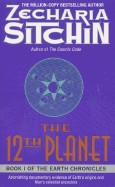
The Nephilim are where the Anunnaki literature meets the Hebrew Bible most directly. Zecharia Sitchin wrote There Were Giants Upon the Earth as the late companion to his Earth Chronicles. The seven main volumes lay out the Sumerian record; this one walks the same evidence through the biblical material under the figure of the Nephilim. The 12th Planet, his original 1976 thesis, already treats the daughters of men episode as continuous with an Anunnaki interbreeding programme. Paul Wallis works from the Hebrew text rather than the Sumerian and arrives at the same reading by another route. *Escaping from Eden* and Jesus vs Yahweh lay out the case at length. His autobiographical Over 30 Years in the Church, Then I Found the Anunnaki in the Bible names the Nephilim passage as one of the texts that wouldn't fit his clerical training. Mauro Biglino's *The Book That Will Forever Change Our Ideas About the Bible* reads Genesis 6 philologically as evidence of physical, non-supernatural beings. The Tellinger / Wallis Hybrid Humans and Hidden History conversation is the most extended index discussion of what hybrid could mean materially.
What the term will and won't carry
There are two readings the Nephilim passage cannot quite support, and that careful exponents of the Anunnaki literature do not press it to. It does not carry, on its own, a complete cosmology. The verses are four lines long, frustratingly compressed, and almost everything written under the name of the Nephilim is extrapolation outward from them through other sources: the Book of Enoch, the Sumerian texts, post-Flood Hebrew passages in Numbers 13 and Deuteronomy 2. On close reading, it also does not settle the question of physical stature. Giant is the Greek translator's choice, not what the Hebrew uniquely demands. What the passage does establish is that the redactors of the Hebrew Bible recorded, as a matter of plain fact, that beings called the sons of God fathered children on human women and that something larger or stranger or both walked the earth as a result. That is what the paleocontact tradition treats as load-bearing. The Nephilim's entry into the larger Anunnaki reading is essentially that single insistence pressed.
The mainstream theological readings handle Genesis 6 by allegorising it. The sons of God are interpreted as the descendants of Seth and the daughters of men as the descendants of Cain. The Nephilim become the morally fallen offspring of a forbidden inter-lineage marriage rather than physically extraordinary beings. This is the dominant reading in patristic Christianity from Augustine onward and in most rabbinic exegesis. It removes the metaphysical difficulty of the plain text, at the cost of reading the verses against their own grammar. The recovery of the literal reading in modern paleocontact writing, by Zecharia Sitchin, Paul Wallis and others, is best understood not as a new interpretation but as a refusal to allegorise what the redactors of the text seem to have meant as ordinary report.