What is Cutting Through Spiritual Materialism?
Cutting Through Spiritual Materialism is a 1973 book by Chögyam Trungpa Rinpoche, compiled from lectures he delivered in Boulder and on the East Coast during 1970–71. It introduces the concept of *spiritual materialism*: the way the ego turns the spiritual path into a vehicle for self-improvement and identity-building rather than genuine transformation. Published by Shambhala Publications, the book has been in print continuously since 1973 and is the foundational English-language text of the Karma Kagyu tradition in North America.
The diagnosis
The book's central argument is simple. Everything on the spiritual path can be recruited by the ego to build a more refined version of itself. This includes the teacher, the teachings, meditation techniques, experiences, lineage membership, and the sense of being a serious practitioner. The construction happens without the practitioner noticing. The ego is precisely this constructing function; construction is what it does.
Trungpa names this *spiritual materialism* and catalogues three lords of materialism: the physical, the psychological, and the spiritual. Each describes the same defensive move operating at a more refined level. The more refined the level, the harder the move is to see.
The book refuses the consolation the reader expects. Recognition is not something the self adds to itself. The construction of a practitioner who has attained something is precisely what the practice was meant to undo. The Vajrayāna curriculum in the Karma Kagyu tradition is presented not as a remedy applied after the diagnosis but as the setting in which the diagnosis becomes operative.
How it compares to adjacent texts
Pema Chödrön's *When Things Fall Apart* comes from the same lineage and is often read as the companion volume. The difference is register. Trungpa's book delivers a structural diagnosis of how the ego operates on the path. Pema's book translates that orientation into plain English around the experience of loss and uncertainty. *Groundlessness* is Pema's term for what spiritual materialism points at structurally. Both words name the same recognition, approached differently.
The book is also sometimes grouped with texts on spiritual bypassing, a term John Welwood coined in the 1980s. The difference is significant. Spiritual bypassing describes using spiritual ideas to avoid psychological work. Cutting Through Spiritual Materialism targets something more fundamental: the way the self uses the path itself, including genuine practice, to perpetuate itself. The two diagnoses can overlap in the same person but they are not the same thing.
Where the book sits in the index
*Cutting Through Spiritual Materialism* is the canonical English-language Karma Kagyu text and carries the Marpa–Milarepa–Gampopa line into North America. Pema Chödrön's *When Things Fall Apart*, written inside the same lineage, refigures the spiritual materialism diagnosis around the experience of groundlessness. Her course on awakening compassion carries the tonglen curriculum; her teaching on uncertainty and her conversation on becoming more alive extend the same orientation into ordinary English.
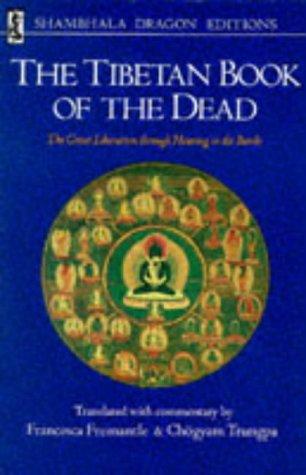
Vicki Mackenzie's *Cave in the Snow* records Tenzin Palmo's twelve-year retreat under the Drukpa Kagyu, a different sub-school with the same lineage thread back through Marpa, Naropa and Tilopa. It is the index's most direct first-person account of sustained practice inside the form of life the book describes. Karma Lingpa's *Tibetan Book of the Dead* in the Fremantle–Trungpa rendering is the bardo curriculum behind the Karma Kagyu practice the lineage carries.
Why it still applies
The failure mode the book diagnoses has only grown more available. The contemporary spiritual marketplace offers certified-teacher pipelines, branded meditation methodologies, inner-experience inventories, and curated lineage credentials at a scale the 1971 lecturer could not have anticipated. The ego has more refined material to work with than ever. The book argues that the path's most reliable failure is its own routinisation under the practitioner's existing defensive function. That argument has become more, not less, applicable in the fifty years since publication.
The book is not a practice manual. Trungpa's actual practice instructions were delivered inside the Vajradhātu and Shambhala forms he was simultaneously building, not on the printed page. Readers who treat the book as a stand-in for the curriculum it describes will not find what they came for. It is a diagnostic frame, addressed to a Western audience the lectures had reasonable grounds to expect would otherwise miss the diagnosis entirely.