What is kataphatic theology?
Kataphatic theology, from the Greek kataphatikos, affirmative, approaches the divine through what can be said and shown: image, name, attribute. It is the via positiva. It is the complement of apophatic theology, the via negativa, which works by saying what God is not. Most serious traditions across Christianity, Hinduism and Sufism cultivate both.
Kataphatic theology vs adjacent concepts
Kataphatic theology is not naïve religion that has not yet read the apophatic critique. The major kataphatic theologians all worked downstream of the apophatic move: they affirm the image knowing the image is not the reality, just as the apophatic mystic denies every attribute knowing the reality is not absent. It is also not a soft alternative to a harder apophatic discipline. The Bengali bhakta weeping for Kṛṣṇa, the Athonite monk before the icon, the Sufi qawwāl singing the names of the beloved: these are not easier paths than negation, just different ones. The mysticism entry treats the pairing across traditions; the contemplative prayer entry treats its Christian side; the bhakti yoga entry treats its Hindu side.
What the term names
Kataphatic, from the Greek kataphatikos, affirmative, names a way of approaching the divine through what can be said and shown rather than through what cannot. Where the apophatic theologian works by via negativa, God is not this, God is not that, the kataphatic theologian works by via positiva: God is love, God is light, God is the burning bush, God is the figure on the icon, God is the felt presence in the eucharist. The two are not rival theologies. They are complementary disciplines within the same contemplative tradition, and most serious teachers across Christianity, Hinduism and Sufism have cultivated both. Too much negation flattens into dryness; too much affirmation thickens into idolatry. The pairing is the check on either failure.
In the Christian tradition
Eastern Orthodox theology has been the most explicit about the pairing. Gregory Palamas's essence-energies distinction is precisely a way of holding apophatic rigour about the divine essence together with kataphatic affirmation of the divine energies the believer actually meets. The icon tradition is the kataphatic practice par excellence: the painted board is not God, but it participates in what it represents, and the worshipper's contact with the image is treated as genuine contact with the saint or with Christ. Jonathan Pageau, the Orthodox icon-carver who has become the index's clearest English-language voice on the symbolic tradition, treats every layer of liturgy, vestment, icon and architectural form as kataphatic exposition of the same reality the apophatic theologians point at by unsaying. The Catholic devotional traditions, the rosary, the Marian apparitions, the cult of the saints, and the eucharist as real presence, are kataphatic in the same structural sense.
Bhakti as the kataphatic Hindu register
The bhakti yoga current of Hinduism is the largest kataphatic stream in any contemplative literature. Darśana, the seeing-and-being-seen of the worshipper and the chosen form, assumes the form is a real meeting point with the absolute, not a placeholder for it. The Ram Dass lineage carried this register into a Western voice most fully. His teacher Neem Karoli Baba operated almost entirely in kataphatic vocabulary, love everyone, tell the truth, the relationship with the guru as the relationship with God, and the Maharaji story is a single kataphatic moment compressed into one exchange. A non-dual reading of the same encounter is available, but the encounter as it occurred is kataphatic through and through. The same holds for Sufi devotional poetry: Rumi addressing the Beloved is not making a metaphysical claim about the inadequacy of personhood; he is exercising the affirmative path.
Where art meets the practice
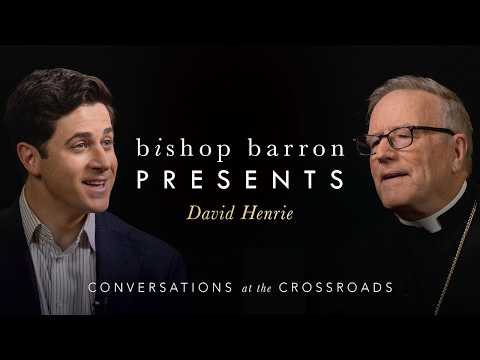
David Henrie's reflection on faith and film is a contemporary statement of the kataphatic instinct in artistic practice: the made image as a vehicle of devotion rather than a substitute for it. The Catholic and Orthodox traditions have always treated the visual arts this way, and the suspicion of images in the iconoclast and most Protestant traditions is precisely a worry that the kataphatic discipline, untethered from the apophatic check, slides into idolatry. Whether it does depends on the practitioner, not on the form. The same argument runs through the music-and-poetry side of the kataphatic spectrum, kīrtan, qawwālī, Gregorian chant, Bach's St Matthew Passion, each a sustained affirmative practice the contemplative traditions have treated as serious spiritual work.