What is Reincarnation?
Reincarnation is the belief that the soul survives death and is reborn in a new body, with *karma* from previous lives shaping the conditions of each return. The English word entered popular use through the 19th-century Theosophical movement and differs in important ways from the older Indian doctrines it claims to translate.
The word the West settled on
The English reincarnation comes from the Latin re- and in carnem, meaning 'back into flesh'. It was the term the 19th-century Theosophical movement chose to render the Sanskrit punarjanma and Pāli punabbhava in a way Anglophone readers could follow without first absorbing the doctrinal systems those terms belong to. Helena Blavatsky's The Key to Theosophy (1889) did the most to set this English usage. The Theosophical vocabulary (soul, the higher self, karmic lessons, cycles of incarnation) became the standard glossary the twentieth-century reincarnation literature inherited. The Spiritualist movement, the Edgar Cayce readings, the past-life-regression literature of the 1970s and 1980s, and more recent near-death-experience research all draw on the same terms, each adding its own theological inflection.
How the popular doctrine reads
The English-language reincarnation literature settled on a handful of working claims. A soul, typically understood as personality-carrying in a way the Vedāntic *ātman* is not, survives bodily death. It returns under conditions shaped by the moral character of prior lives, through some version of *karma*. It sometimes carries memory across the threshold, accessible under past-life regression or in spontaneous childhood recollection. The research of Ian Stevenson at the University of Virginia, the Edgar Cayce readings, and the past-life therapy literature all work in this territory. In popular treatments the cycle tends upward: souls evolve, learn, and eventually graduate. The older Indian doctrines do not commit to this kind of directional progress. The popular framing also allows the soul some agency in choosing the conditions of its next life. This combinatorial freedom made the doctrine portable across many twentieth-century currents. It also made it doctrinally loose.
Where the doctrine shows in the index
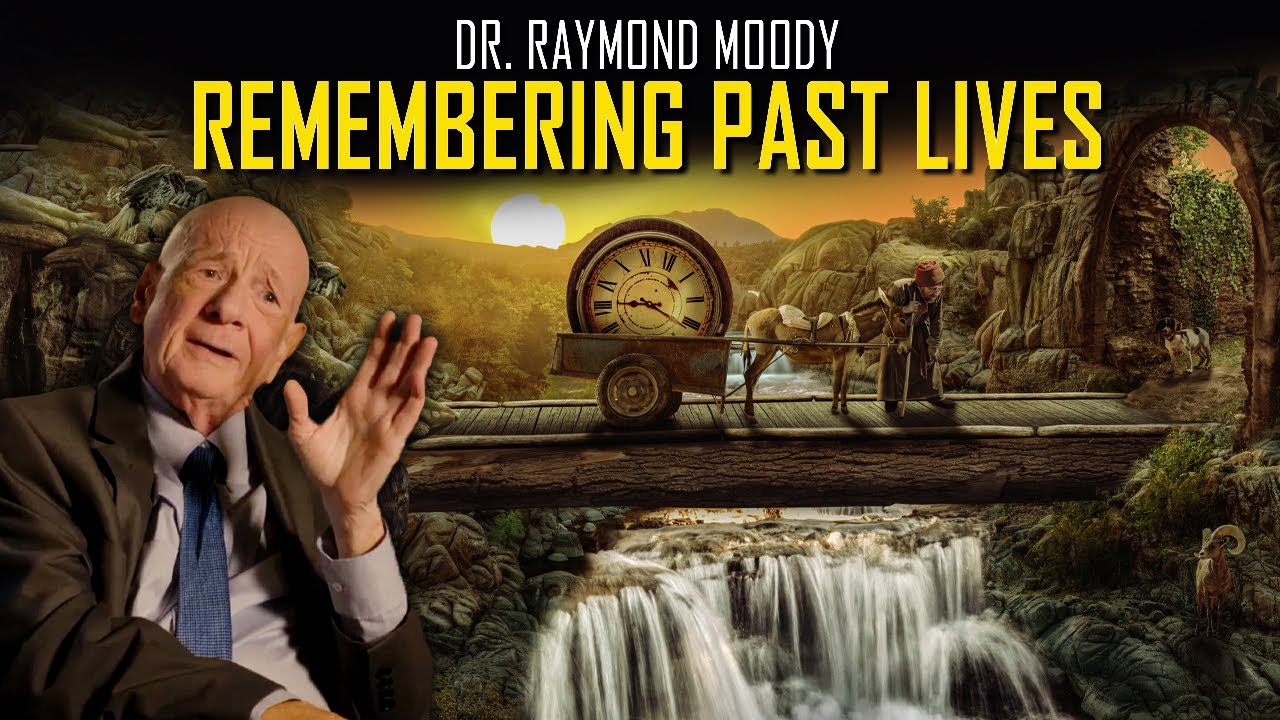
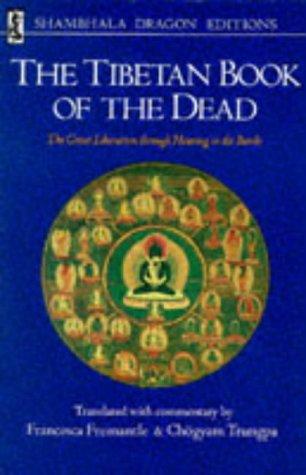
Hans Wilhelm is a German-American teacher in the Theosophical tradition whose channel is the index's densest single source on the popular reincarnation framing. He covers the doctrine in Reincarnation Explained, the second part of the same exposition, and Make This Your Last Incarnation. His vocabulary is straight Theosophy, lightly modernised. Raymond Moody on Reincarnation, Past-Life Memory, and Western Philosophy represents the more cautious end of the same conversation. Moody, who coined the phrase near-death-experience, takes the past-life material seriously while reserving judgement on most of the metaphysical claims around it. Gina Cerminara's *Many Mansions*, published in 1950, popularized the Edgar Cayce trance readings and was the text most responsible for moving the reincarnation vocabulary from Theosophical circles into the mid-century American mainstream. Michael Newton's *Journey of Souls* is the principal late-twentieth-century work in the regression-therapy register, building a layered cosmology of life between lives from clinical past-life sessions. Linda Backman on Soul Types continues the same literature one generation on. The Tibetan Book of the Dead, the Bardo Thödol, is the doctrinally distinct end of the index's coverage. Its Vajrayāna treatment of the post-death intermediate state (bardo) operates inside the Buddhist *anattā* framework the popular Western reincarnation literature consistently softens.
Reincarnation vs. rebirth and ātman
The popular English-language reincarnation literature and the Buddhist doctrine of rebirth are routinely conflated. The difference matters. Theravāda and Mahāyāna analyses of punabbhava are explicit that there is no persisting ātman. The doctrine of *anattā* holds that what continues between lives is not a soul but a stream of conditioned aggregates, mapped by the dependent-origination doctrine. The Pāli suttas use the candle-flame image: the flame at one moment is neither the same as the flame at the next moment nor a different flame. The popular reincarnation framing — that I will return in a different body — imports exactly the soul-substance claim the Buddhist reformulation was built to deny. The Hindu saṃsāra doctrine is doctrinally closer to the popular framing, since there is an unborn *ātman* that carries. But the Vedāntic position adds a further twist: the ātman is not the personality-carrying individual the popular literature treats as the migrant. *Moksha* in that tradition is the recognition that the personal self was never the ātman to begin with. The popular literature collapses both Buddhist and Hindu views into a single picture that neither tradition would recognise as its own.