What is Hans Wilhelm?
Hans Wilhelm (b. 1945) is a German-American children’s book author and illustrator who produced over two hundred picture books before becoming, in retirement, a YouTube teacher of a Theosophically-derived spiritual cosmology. His channel covers reincarnation, the Akashic Records, and the soul’s journey across lifetimes, in the patient narratable register of the picture-book work.
From children’s books to the YouTube cosmology
Hans Wilhelm was born in Bremen, Germany, in 1945, emigrated to the United States in his twenties, and built a prolific career in picture-book illustration. He produced over two hundred titles translated into thirty languages. The Tyrone the Horrible and Bunny Trouble series carried his commercial reputation. I’ll Always Love You (1985), a picture book about a dying dog, has remained in continuous print for four decades. In his late sixties he closed the picture-book chapter and opened the YouTube channel that has been, since around 2010, the vehicle of his second public life: short, illustrated talks on the Theosophical-Caycean spiritual cosmology he had been reading privately for decades. He records in a single-take format from his Connecticut studio with hand-drawn marker illustrations. The register is deliberately low-key, closer to a bedtime story than to the production-heavy style common in esoteric YouTube. The channel passed three hundred thousand subscribers in the second half of the 2010s and continues to release new material monthly.
The doctrinal core
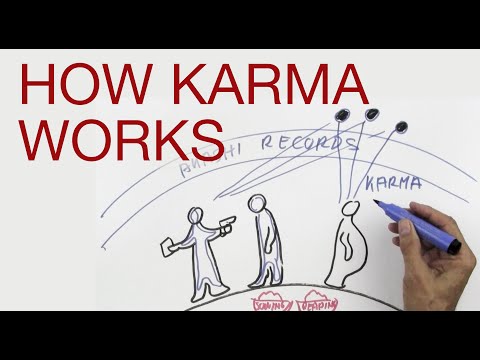
Wilhelm’s cosmology is recognisably the late-nineteenth-century Theosophical synthesis of Helena Blavatsky, Charles Leadbeater, Annie Besant, and Edgar Cayce, lightly modernised. Four structural claims run across every talk. The soul is eternal and progresses through many embodied lifetimes. Embodied life is a deliberately constructed school whose curriculum is set by karmic consequences. The curriculum is administered through the Akashic Records, and through a tripartite conscious-subconscious-spirit-conscious model Wilhelm has developed as his own three-layer schema. The divine resides inside the human as a Christ spark, not as an external deity. The frame is theologically eclectic, drawing on Christian, Theosophical and Hindu vocabulary without committing institutionally to any of them. Make This Your Last Incarnation, Reincarnation Explained, and its second-part exposition are the channel’s central reincarnation talks. Conscious, Subconscious and Spirit-Conscious Mind is the three-layer anthropology the rest of the corpus presupposes; the spirit-conscious layer is Wilhelm’s distinctive addition to the standard New Thought two-layer model. How Karma Actually Works and Earth as a School and the Spiritual Law That Determines the Afterlife cover the moral dynamics. The Holographic Universe and the spiritual *Fall* that created the material world work the metaphysical scaffolding. The Seven Chakras Explained imports the Indian subtle-body model into the same frame.
In the index
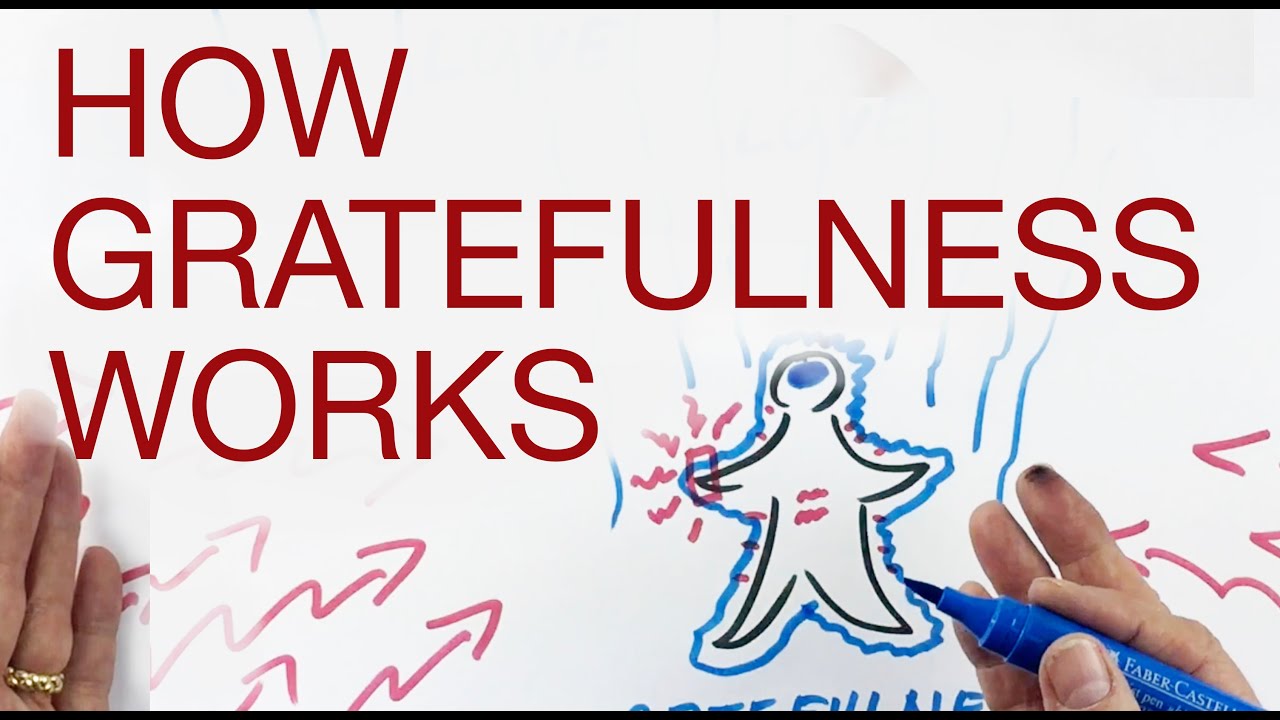
The Wilhelm corpus surfaces wherever the reincarnation, subconscious-mind, or soul vocabulary is operative. The reincarnation entry treats his three principal talks as the index’s densest single-author source on the popular Theosophical framing of the doctrine. The soul entry routes Spirit Possession and Earthbound Souls into the Theosophically-inflected discarnate-soul material. The subconscious-mind entry pairs Conscious, Subconscious and Spirit-Conscious Mind with the Joseph Murphy and Bruce Lipton items; the spirit-conscious third layer is Wilhelm’s addition to the standard New Thought two-layer model. The perennial-philosophy entry uses The Religion Disaster as a contemporary popular restatement of the perennialist reading. The akashic-records entry names him as one of the popularisers of the Theosophical-Caycean record vocabulary. The gospel-of-thomas entry cites his work alongside The Gnostic Eye as one of the channels through which Gnostic-tinted material reaches a non-specialist audience. The practical end of the corpus includes Why We Suffer and How to Stop It, How Gratefulness Works, and Speaking to Your Cells for Health.
Hans Wilhelm vs adjacent teachers
Wilhelm is not an academic Theosophist in the institutional sense. He has no formal affiliation with the Theosophical Society and has not engaged with its historical textual base in a scholarly way. The vocabulary is Theosophical; the institutional identity is not.
He is also not a teacher of meditation or of a specific contemplative practice. The channel is principally exegetical: it maps a cosmology rather than prescribing a seated curriculum. The practical instruction it carries is at the level of disposition rather than technique.
The cosmology the channel presents is not the contemporary academic consensus on the material it draws from. Contemplative scholarship on Hindu rebirth doctrine, Buddhist *anattā*, and the Gnostic and Christian sources Wilhelm cites would qualify many of his summaries in ways the channel’s accessibility-first register does not acknowledge. The trade-off is not hidden. The production aesthetic and the pacing both signal popularisation rather than scholarship, and the audience is mostly served by that choice.