What is Maṇḍala?
A maṇḍala is a rule-governed centred geometric diagram. The Sanskrit maṇḍala means circle, but the form is more specific: a centre point, a surrounding circle, an inscribed square with four cardinal gates, and a populated interior where iconographic content — deities, syllables, geometric shapes — is placed in stable relationships to the centre and the four directions. Hindu Tantric and Buddhist Vajrayāna traditions use it as the operative environment of practice. Carl Jung encountered it independently in the dream-imagery of his European patients and took it as evidence of the Self archetype of psychic wholeness.
Maṇḍala vs adjacent concepts
A maṇḍala is not the same as a yantra. Both are centred geometric diagrams, but a maṇḍala is populated with iconographic content — deities, retinues, figures. A yantra is the purer geometric form used as a support for mantra recitation. The two terms are not interchangeable in the source literatures. The Tibetan sand maṇḍala — built over days in coloured sand, then deliberately destroyed — is sometimes received in the West as a parable about impermanence. The tradition's own reading is more specific: the destruction closes the visualised architecture back into emptiness, the same gesture that ends every individual practice session. The contemporary colouring-book mandala retains the visual signature of the form but sheds the operative content it was built to carry.
Vajrayāna maṇḍala practice
In the Vajrayāna tradition, the maṇḍala is the operative environment of deity yoga. The practitioner visualises a chosen *yidam* at the centre of the figure's maṇḍala — palace, retinue, surrounding directions and elements — and trains the steadiness of that construction across months and years of session work. The maṇḍala is not an image looked at. It is a three-dimensional architecture inhabited from the inside. The classical literature treats it as a working model of the enlightened environment a developed practitioner is held to perceive the ordinary world as already being. The *ngöndro* preliminaries include one hundred thousand maṇḍala offerings as the third of the four foundation practices. Pema Chödrön's course on awakening compassion and her *When Things Fall Apart* are the most accessible English-language teachings from the Tibetan tradition in which this practice sits.
Hindu and Tantric forms
The Hindu tantric tradition's nearest cognate is the yantra. The most-studied example is the Śrī Cakra of the Śrī-vidyā lineage: nine interpenetrating triangles surrounding a central bindu, read as a complete cosmology in which the masculine and feminine cosmic principles map onto upward- and downward-pointing triangles. The practising Śrī-vidyā devotee uses it as the working map for the pañcadaśākṣarī mantra at the centre of the lineage. The Śaiva Tantras describe more elaborate maṇḍala architectures — the Mālinīvijayottara, the Netra Tantra and the wider Trika literature — in which the practitioner inhabits the divine structure from the inside. Kashmir Śaivism developed this recognition under the name pratyabhijñā.
The Jungian discovery
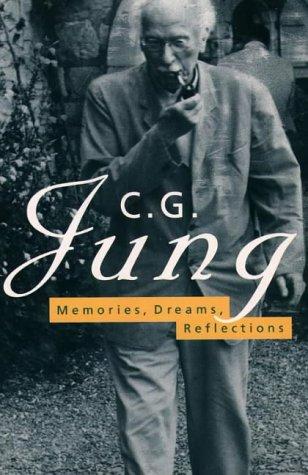
Carl Jung encountered the form through a different route. Between 1916 and 1930, he began drawing circular images during the confrontation with unconscious imagery he later recorded in the Red Book. Patients in his analytic practice were doing the same, without prior exposure to Asian material. Jung took the parallel as evidence that the figure was not a cultural import but a symbol of the Self — the archetype of psychic wholeness around which individuation organises. Jung's *Memories, Dreams, Reflections* describes the discovery in autobiographical register. *Modern Man in Search of a Soul* develops the wider theoretical position. Erich Neumann's *The Origins and History of Consciousness* and *The Great Mother* carry the Jungian reading into a systematic developmental-archetypal programme. Joseph Campbell's *The Hero with a Thousand Faces* placed the figure into a wider American reading-public's working vocabulary. Drunvalo Melchizedek's *Ancient Secret of the Flower of Life* and its second volume take the flower of life pattern as an entry into a contemporary sacred-geometry literature that overlaps the maṇḍala territory at several points.