What is Prayer?
Prayer is the act of directing attention toward the sacred. The word covers a wide range of activity: spoken petition, silent waiting, structured liturgy, spontaneous outcry, wordless resting in the presence of God. What all forms share is a basic orientation, a turning of the mind and will toward something beyond the ordinary. Every major religious tradition practises some form of it, and most treat it as foundational.
Prayer vs meditation, ritual, and contemplation
The distinctions are real but contested. Meditation typically focuses attention inward, on breath, sensation, or awareness itself, without necessarily addressing any divine reality. Prayer is directed toward something understood as other than the self. In practice the line blurs. Contemplative prayer is structurally indistinguishable from meditation: both rest attention in a chosen object and return when thought arises. The difference is theological, not mechanical. Ritual is prayer made external and communal, with prescribed action, gesture, and set text. Individual prayer is the same impulse without the structure. Contemplation, in the strict sense, is the silent end of the prayer spectrum, where words fall away and attention simply rests.
Forms across traditions
In Christianity, prayer takes four classical forms: petition (asking God for something), intercession (asking on behalf of others), praise (acknowledging God's nature), and thanksgiving. The Desert Fathers added a fifth, the prayer of quiet, in which the practitioner stops speaking and waits. This is the root from which contemplative prayer and centering prayer grew. In Islam, the five daily salat are obligatory ritual prayers performed facing Mecca, with specific postures, words, and times. They are the second of the Five Pillars. Outside the salat, dhikr, the repetition of divine names and phrases, is the primary Sufi practice of prayer as remembrance. In Hinduism, puja is the ritual offering made to a deity, and japa, the repetitive recitation of a divine name, is the Hindu equivalent of the Jesus Prayer or the Sufi dhikr. In Buddhism, the tradition's relationship to prayer is more contested. Classical Theravada Buddhism has no creator God to address. Metta practice cultivates loving-kindness toward all beings and is prayer-shaped but non-theistic. Tibetan Buddhism has a rich devotional practice, including prayers to Bodhisattvas such as Tara, that is functionally close to theistic prayer.
The contested question
Whether prayer produces effects beyond the practitioner is one of the most studied and least resolved questions in the psychology of religion. The evidence for intercessory prayer affecting clinical outcomes in controlled trials is not compelling. The evidence that prayer affects the one who prays, through attention regulation, stress reduction, and cultivation of gratitude, is substantially stronger. Both religious traditions and their critics tend to talk past this distinction. The traditions themselves have usually located prayer's value less in its efficacy as a causal mechanism and more in its function as relationship, orientation, and transformation of the one who prays.
In the index
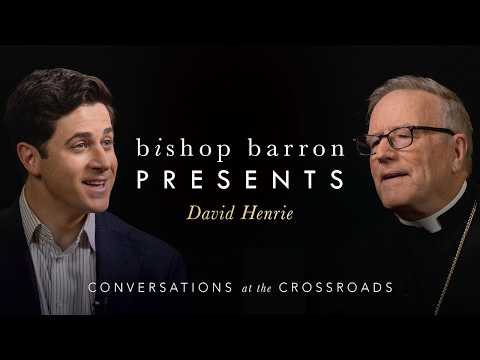
Thomas Merton's *New Seeds of Contemplation* is the clearest articulation in the index of prayer as inner transformation. Thomas Keating's *Open Mind, Open Heart* is the twentieth century's most methodical guide to centering prayer as a structured practice. Jonathan Pageau speaks to the symbolic framework within which Christian prayer makes sense, the world understood as participation in the divine rather than a secular collection of facts. David Henrie on faith and film is the contemplative sensibility carried into artistic practice, making as a form of prayer.