What is The Way of a Pilgrim?
The Way of a Pilgrim is an anonymous nineteenth-century Russian spiritual narrative in which an unnamed peasant wanders across Russia and Siberia in search of unceasing prayer. The pilgrim is a man with a withered left arm, a small inheritance, a copy of the Bible, and a recently acquired *Philokalia*. The text records how he learns to practise the Jesus Prayer ceaselessly, carrying the hesychast tradition out of the monasteries and into ordinary lay life. First published in Kazan in 1884, it is the primary document through which the Eastern Orthodox contemplative current reached the modern West.
The journey it records
The narrative is organised around one question: how is unceasing prayer actually to be practised? Paul's instruction to pray without ceasing (1 Thessalonians 5:17) is the pilgrim's starting point. An elder in a remote skete gives the practical instruction. The pilgrim is to repeat the Jesus Prayer: Lord Jesus Christ, Son of God, have mercy on me, a sinner. Starting at three thousand repetitions a day with a knotted prayer-rope as a counter, the number rises to six thousand and then to twelve thousand.
After several months, the prayer descends in the language of the Russian tradition from the lips to the mind to the heart. It becomes unprompted and continuous, coordinated with the breath, needing neither a count nor a conscious start. The narrative records this transition plainly and treats it as the central event of the book.
The pilgrim continues to wander with his inheritance and his Philokalia, and the subsequent tales gather encounters with merchants, soldiers, peasant women, sceptical priests, and devout monks. Through these the continuous prayer is tested in conditions ordinary monastic life would not produce. The pilgrim is robbed, doubted, mocked, and briefly imprisoned. The book's interest is in what the prayer does and does not protect under those conditions.
Where it sits in the index
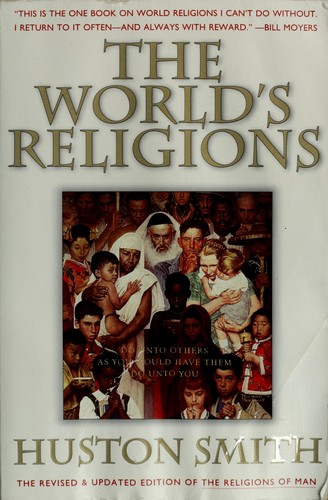
The book stands behind the hesychast practice the existing Orthodox material treats explicitly. Jonathan Pageau's *Orthodoxy in America* lecture addresses what the Eastern Christian contemplative inheritance becomes when it leaves the monasteries and enters ordinary householder life. His most-circulated piece on the Paris Olympics opening ceremony sits inside the iconographic-symbolic frame the Russian tradition carried alongside the Jesus Prayer practice. Thomas Merton's *New Seeds of Contemplation* and *Thoughts in Solitude* are the Western Trappist neighbour. Merton was reading the Philokalia and the Way of a Pilgrim through his last decade, and the silence-and-recollection vocabulary of the late Merton traces to that reading. Thomas Keating's *Open Mind, Open Heart* is the Catholic side of the same modern Western reception. Centering prayer is not the Jesus Prayer; Keating was careful to maintain the distinction. But both rest on the assumption that a short repeated formula can be the primary instrument of long-form contemplative life. Huston Smith's *The World's Religions* treats the Way of a Pilgrim and the hesychast tradition it transmits as integral to its chapter on Christianity.
The Way of a Pilgrim vs adjacent texts
The Way of a Pilgrim is not a technical prayer manual in the sense the *Philokalia* itself is. The book transmits the practice through narrative. The procedural details it does name — the count, the breath, the heart — are inseparable from the relationship with the starets, the spiritual elder, whose oversight the tradition treats as the operative condition of the practice.
The text is also not historical biography in the modern documentary sense. The pilgrim's identity, itinerary, and date of composition are uncertain enough that scholarship treats the work as a spiritual document of unknown authorship rather than a verifiable memoir.
Nor is it, despite its J. D. Salinger afterlife in Franny and Zooey (1961) and its mid-century American reception, a generic mystical text translatable out of its tradition. The Jesus Prayer presupposes the doctrinal, sacramental, and ecclesial frame of Eastern Orthodox Christianity. The book's later Western reception has often softened or removed that frame in ways the tradition that produced it would not recognise.