What is Baqāʾ?
Baqāʾ is Arabic for abiding or subsistence. In Sufi doctrine, it names the state that follows [fanāʾ](lexicon:fana) — the annihilation of the self. After the apparent self dissolves through practice, the practitioner does not remain in absorption. They return to ordinary life, but no longer as the same self that entered the path. The classical formula captures the structure: fanāʾ fī Allāh, baqāʾ bi-Allāh — annihilation in God, abiding by God. The prepositions matter. The dissolution is in God; the abiding is by God. The practitioner no longer acts as a self-referential agent but as a transparent vehicle of divine action.
Baqāʾ and related concepts
Baqāʾ and [fanāʾ](lexicon:fana) form a pair but are not interchangeable. Fanāʾ is the dissolution of the self; baqāʾ is the return that follows. The Sufi tradition insists on both. An annihilation that does not return to ordinary life is, on the orthodox reading, incomplete. Baqāʾ also differs from the Christian notion of unio mystica (mystical union). In most Christian accounts, union with God is the destination; in Sufi doctrine, baqāʾ is a return from dissolution, not arrival at union — the practitioner re-enters ordinary life rather than remaining absorbed. Nor is baqāʾ equivalent to *mokṣa* or nirvāṇa in the Indian traditions. The structural resemblance is real: all three point to a fundamental shift in the relationship between self and action. But the Sufi frame is theistic. What abides in baqāʾ is divine will, not impersonal awareness or cessation. One more distinction: baqāʾ is not grace as Western theology usually means it, though the classical Sufi writers did reach for that word for how both states arrive. Practice is the preparation, not the cause.
The Junayd–Bisṭāmī distinction
The doctrinal weight of baqāʾ comes from a ninth-century debate inside the Iraqi Sufi schools. The intoxicated tradition of Abū Yazīd al-Bisṭāmī (d. c. 874) had treated fanāʾ as the destination of the path. The famous shath (ecstatic utterance) attributed to him — Glory be to me; how great is my majesty — captures the register: absorption so complete that the self disappears into God. Junayd of Baghdad (d. 910) insisted this was incomplete. An annihilation that does not return to ordinary life is rapture, not realisation. The baqāʾ movement — the abiding-as-vehicle that follows dissolution — is what integrates the path with the world rather than collapsing it into ecstasy. Junayd's sober reading became the orthodoxy of the major orders, and the fanāʾ–baqāʾ pair entered the classical curricula as a single doctrinal unit. The doctrine carried into Ibn ʿArabī's thirteenth-century synthesis, where [waḥdat al-wujūd](lexicon:wahdat-al-wujud) (unity of being) is the structural truth that baqāʾ reveals once the false-self obstruction is removed. It also runs through Rūmī's [Masnavī](lexicon:masnavi), where the cycle from dissolution to abiding-as-presence organises the work across its six volumes.
In the index
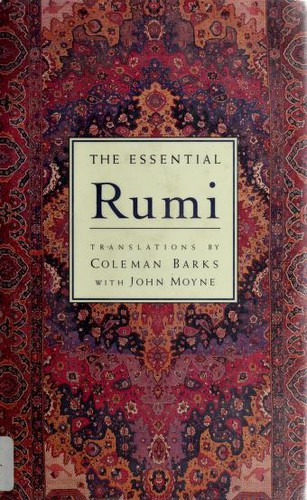
Direct references to baqāʾ in the Anglophone index are thin — a gap the Sufism, dhikr, and fanāʾ entries acknowledge — but the state the term names is mapped across the corpus from adjacent traditions. Nisargadatta Maharaj's *I Am That* is the most uncompromising twentieth-century articulation of the baqāʾ state in its Advaita inflection: the dissolved I returns transparent, and the I Am that remains is not the personal self that entered the practice but the awareness inside which that self was always appearing. Rupert Spira's *Being Aware of Being Aware* and his longer-form talk on how the infinite knows the finite work the same recognition more slowly. What Spira calls the felt sense of being in ordinary life after the recognition is functionally Sufi baqāʾ in different vocabulary. Adyashanti's *Do Nothing* describes the lighter doorway into the same abiding. Ram Dass's late teaching under the phrase fierce grace names the baqāʾ register directly — what arrived after the stroke was not the dramatic fanāʾ of his Maharaji years but the daily abiding the practice had been preparing all along. Pema Chödrön's course on awakening compassion traces the same pattern in Vajrayāna language: the groundlessness that opens after the false ground has been seen through is a workable transparency, not an absence. Teresa of Ávila's *Book of Her Life* maps the same passage in Catholic devotion: the seventh dwelling of the interior castle is the spiritual marriage, a state of habitual presence the Sufi tradition would recognise as baqāʾ. Coleman Barks's *The Essential Rumi* preserves the baqāʾ register in English translation more clearly than the doctrinal fanāʾ, partly because abiding-as-presence is easier to render in lyric than the dissolution that precedes it.