What is the Divine Plan?
The divine plan is the teaching that creation unfolds according to a higher intention, and that each soul has a role within it. Christianity names this divine providence: God's overarching purpose for creation and for each person within it. Hinduism maps it as dharma, the cosmic order in which every being has a proper function. In Sufism, the equivalent is qadar, divine decree: the idea that nothing happens outside God's knowledge and will. In twentieth-century New Thought and in [A Course in Miracles](lexicon:a-course-in-miracles), the concept shifts register. It becomes a spiritual blueprint each individual can consciously align with, rather than a decree already fixed.
Divine Plan vs providence, fate, and karma
Divine providence is the Christian theological term closest to the divine plan, but it emphasises God's continuous sustaining and guiding of creation rather than a static script. Fate, by contrast, is pre-written and unresponsive to any relationship between the individual and its source. The divine plan, in most traditions that use it, is something the practitioner can participate in or obstruct by the quality of their attention. Karma and dharma are related but distinct: karma names a law of cause and effect; dharma names each being's proper role. The divine plan is the broader frame in which both operate. Non-dual traditions such as Advaita Vedanta and Buddhism do not generally use the concept. They tend to treat the sense of a plan for me as part of the construction of a separate self rather than as a reliable spiritual orientation. The disagreement is genuine and worth noting.
The teaching across traditions
The idea is ancient. The Hebrew prophet Jeremiah (6th century BCE) recorded God saying I know the plans I have for you, a verse that became one of the most-cited expressions of the concept in Christian devotional literature. In Stoic and Neoplatonic thought, the Greek logos named the rational principle embedded in all of creation. Neoplatonism shaped both Christian and Islamic mystical theology, holding that all things emanate from and return to the One according to a purposive arc. In Hinduism, the Bhagavad Gita (c. 2nd century BCE) has Krishna enjoin Arjuna to act in accordance with his dharma and trust the larger unfolding. Action should be without attachment to outcome, because the outcome belongs to a larger order. In Sufi metaphysics, Ibn Arabi (1165-1240) elaborated a vision in which each soul is a unique face of the divine, existing because the divine sought to know itself through diversity. On his account, the divine plan is not arbitrary but self-revelatory. In twentieth-century New Thought, the language shifted from divine decree to conscious alignment. Teachers like Neville Goddard located the operative power in consciousness itself. Later teachers, including Marianne Williamson, framed this as cooperating with a plan already in place rather than conjuring outcomes from scratch.
Where to encounter it in the index
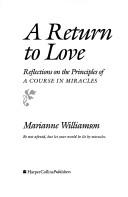
*A Course in Miracles*, the 1,200-page channelled text by Helen Schucman, makes the divine plan central to its curriculum. The Workbook teaches that God's plan for salvation is already complete and the student's only task is to stop obstructing it. Marianne Williamson's *A Return to Love* is the most widely read popular guide to the Course's metaphysics, including its account of individual purpose within the divine order. Thomas Keating's *Open Mind, Open Heart* presents Centering Prayer as a practice of consent to God's presence and action, a daily act of aligning one's will with God's. Paramahansa Yogananda's *Autobiography of a Yogi* approaches the question through the Hindu lens. The guru's role, the law of cause and effect, and the soul's ordained arc toward moksa are each understood as part of a divine plan the practitioner gradually recognises rather than creates.