What is Kinhin?
Kinhin is the walking meditation that Zen practitioners do between sitting periods. A line of meditators walks single-file around the zendō, hands in shashu, each step timed to the breath. Sōtō schools move at a near-standstill; Rinzai schools move at a brisk pace, sometimes close to a jog. Both treat the walking as a continuation of zazen, not a break from it.
Kinhin vs. walking meditation and zazen
Kinhin is not the same as the walking meditation practiced at Plum Village or in Theravada traditions. Plum Village walking is done outdoors at a gentle pace and is designed for everyday use. Kinhin is the zendō-bound form: it belongs to the structured schedule, alternates with zazen at fixed intervals, and is performed exactly as the lineage prescribes. It is also not a rest from sitting. The practitioner who treats the walking period as a stretch break has missed what the schedule is doing. The standard *sesshin* schedule pairs fifty-minute sitting blocks with ten-minute kinhin intervals as a single unit. Removing the walking would not produce more zazen. It would make the sitting less sustainable.
The two paces
The two main Japanese lineages walk at very different speeds. The Sōtō form, codified in Dōgen's thirteenth-century Fukan-zazengi and Eihei Shingi, is very slow: roughly half a foot per inhalation, with a pause on the exhale. One circuit of a small zendō can take ten or fifteen minutes. Sōtō's reading is that kinhin is *shikantaza* on the feet: the same just-sitting attention lifted off the cushion. The slow pace makes this demand continuous. A walker who tries to think through the walking finds very quickly that the pace outstrips thought. The Rinzai form moves briskly under the jikidō's timing, sometimes close to a jog. The Rinzai reading is that the walking sharpens attention rather than settling it. The practitioner is expected to hold the *kōan* at higher intensity across the walking period than the sitting alone produces. Most contemporary Western zendō have settled on one pace or the other depending on their founding lineage.
Where it appears in the index
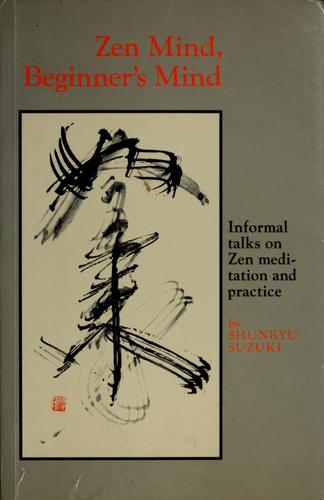
Shunryu Suzuki's *Zen Mind, Beginner's Mind* names kinhin briefly as the structural companion to the zazen it describes. It assumes the reader will learn the form in person at the zendō. D. T. Suzuki's *An Introduction to Zen Buddhism* was the text through which the Rinzai zendō schedule first reached English readers. Alan Watts's *The Way of Zen* describes the form from the outside. Watts had not completed a sustained zendō training, and his account is descriptive rather than instructional. Adyashanti's *Do Nothing* comes from fourteen years of Maezumi-lineage training. The sense of effortless continuity it describes is exactly what the slow Sōtō kinhin is designed to sustain. His True Meditation extends the same idea across the sitting, walking, and standing sequence as a single arc. The Plum Village reflection by Br. Troi Duc Niem represents the Vietnamese Thiền lineage's expression of the same Chán root. The Plum Village walking meditation is the form opened up beyond the zendō's perimeter, gentler and calibrated for lay practitioners.