What is Sesshin?
Sesshin (摂心 / 接心) is the intensive group retreat at the heart of Japanese Zen. The word combines two characters: setsu (gathering or touching) and shin (mind or heart-mind). A sesshin runs three, five, or seven days. Each day begins around 04:00 and ends around 21:00, divided into roughly fifty-minute *zazen* periods separated by ten-minute walking meditation periods (*kinhin*). The day also includes formal silent meals (ōryōki), a work period (samu), chanting services, and brief private meetings with the teacher. In Rinzai, these meetings are called dokusan; in some Sōtō houses, sanzen. Practitioners do not leave the grounds, do not speak outside sanctioned periods, and do not read or write. The closure is the mechanism: the form works through containment.
Sesshin and other retreat forms
Sesshin is often compared to Theravāda *vipassanā* retreats and Western secular meditation courses. They share some structure: sitting periods, walking periods, silence. But sesshin is distinct in its closed container, its built-in teacher interviews, its use of *kōan* or *shikantaza* as the explicit practice method, and the Zen lineage-architecture it operates within. MBSR and similar programs draw on some of the same surface features but carry different purposes and no transmission lineage. Sesshin is also not, in the classical instruction, a peak-experience container. Teachers of the form are clear: the retreat does not aim at the dramatic *kenshō* the popular literature sometimes emphasises. In the Sōtō reading, sesshin is closer to a continuous deepening of shikantaza into ordinary life than to a single transformative event.
The structure of a sesshin
The *zazen* inside sesshin is not different in kind from daily zazen: the same posture, the same breath-work, the same instruction. What changes is the volume. A typical sesshin runs ten to twelve hours of sitting per day across several consecutive days in a hall practitioners cannot leave at will. The kyōsaku, the encouragement stick carried between the rows, is the visible marker of this institutional intensity. Administered on the trapezius at the practitioner's request, it relieves drowsiness and shoulder tension; its symbolic weight is the larger function. The private teacher interview, taken several times per day, is the form's check-valve. In two or three minutes the teacher tests how a *kōan* is being worked, what is arising in *shikantaza*, or whether the practitioner is deceiving themselves. The work period (samu), twenty to forty minutes of silent cleaning, gardening, or kitchen work, is doctrinal in origin: carrying water, chopping wood is not a break from practice but the same practice in motion. The formal meal (ōryōki) applies the same principle to eating. The whole form descends from the Chinese jiéqī, the intensive retreat period of Song-dynasty Chan monasteries, which reached Japan in the twelfth and thirteenth centuries with Eisai and Dōgen. It has held the same institutional shape since.
Where it shows up in the index
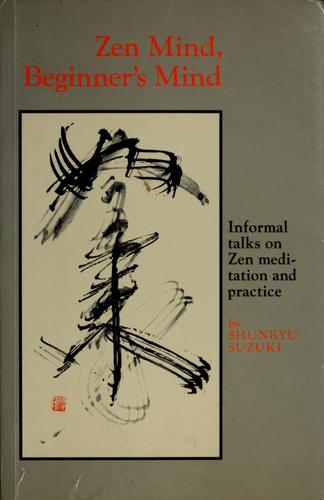
Shunryu Suzuki's *Zen Mind, Beginner's Mind* — composed from talks given at the San Francisco Zen Center and Tassajara monastery in the late 1960s, in the Sōtō lineage Suzuki carried from Japan — is the index's most direct document of the sesshin idiom. The short chapters were spoken in the form, to practitioners inside the form. The book reproduces the cadence of the teishō, the teacher's formal talk during a retreat, more closely than any other English-language Zen text. D. T. Suzuki's *An Introduction to Zen Buddhism* is the earlier twentieth-century companion through which the architecture of sesshin and dokusan first reached English readers. Alan Watts's *The Way of Zen* and *The Wisdom of Insecurity* are the popular-philosophical reception of the same material. Watts had not completed a sesshin himself, and his treatment reaches its limit at exactly the point where the closed container's working effect would need to be reported from inside. The Adyashanti material in the index — *Do Nothing*, True Meditation, the talk on sudden awakening, and *The End of Your World* — is the closest contemporary practitioner-voice to what sesshin produces. Adyashanti's training in the Sōtō Zen lineage of Maezumi Roshi included roughly fourteen years of sesshin attendance, and the recognition-tone of his teaching carries that experience.